Seasonal Guides
The Year-Round Garden Calendar: What to Do, and When
Mea Cara · September 1, 2026 · 4 min read
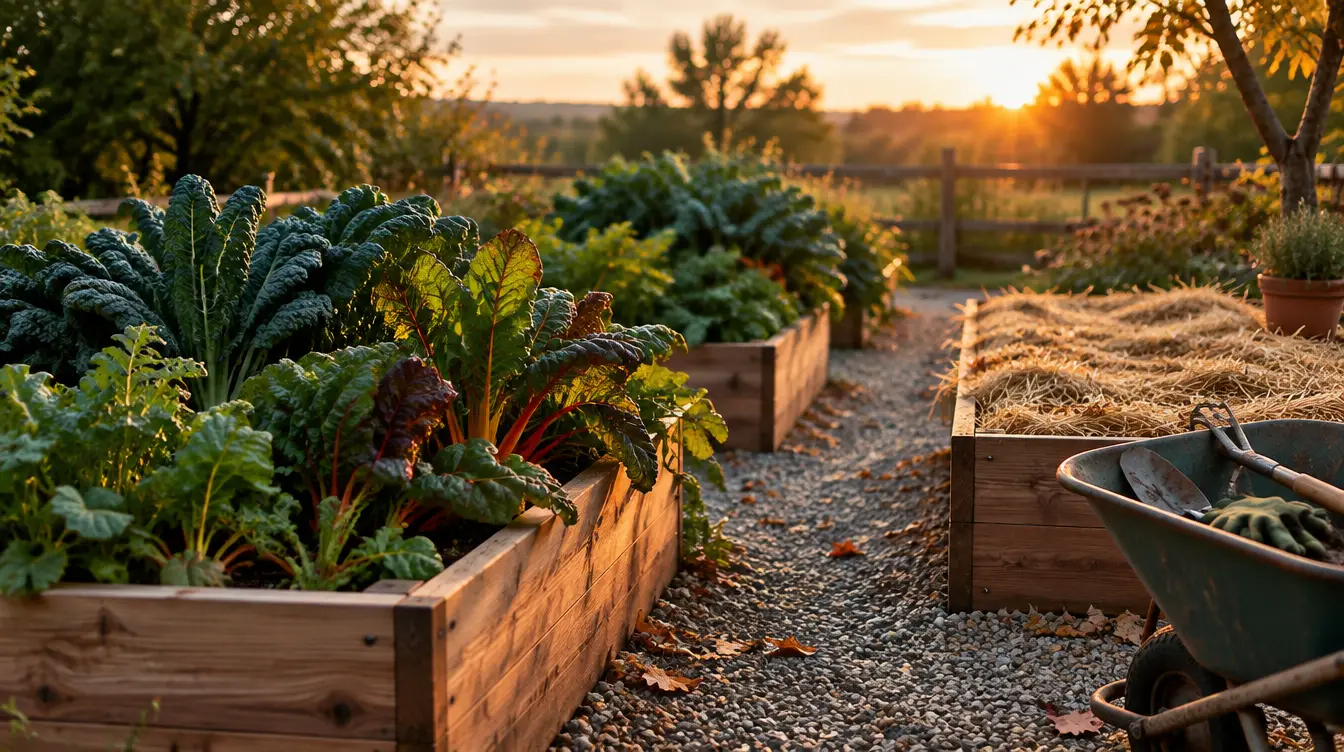
There is no universal garden calendar. A February in Vermont and a February in Georgia have nothing in common, and any article claiming otherwise is selling you generality. What is universal is the shape of the year — the order the jobs come in, and which ones quietly decide how the next six months go.
So: the sequence, anchored to your own frost dates rather than to month names. Slide it to fit your zone.
Deep winter — 10 to 14 weeks before last frost
- Inventory the seed you already have, and test old packets for germination before buying more.
- Order seed. The interesting varieties sell out; the boring ones never do.
- Plan the beds on paper, including what followed what last year. Rotation is easiest to honor before anything is in the ground.
- Sharpen, oil, and repair tools. Nobody has ever done this in June.
- Prune dormant fruit trees and most deciduous shrubs — but leave spring bloomers alone; they set their buds last summer.
Late winter — 4 to 10 weeks before last frost
- Start seeds indoors, longest-season crops first.
- Get a soil test back before you're standing over an empty bed wondering what to add.
- Cut back last year's perennial stems once temperatures are reliably above freezing.
- Direct-sow the cold-tolerant crops — peas, spinach, radishes — as soon as the soil can be worked without smearing.
Spring — the frost date, and the six weeks after it
- Harden off transplants over 7–10 days. This is not the optional step it looks like.
- Plant tender crops after the soil warms, not merely after frost passes. Peppers in cold soil sulk for a month and never quite catch up.
- Mulch once the ground has warmed. Too early and you insulate the cold in.
- Photograph every bed. Spring is the last moment you can still see the structure.
Summer
- Water deeply and less often. Shallow daily watering builds shallow roots.
- Walk the garden weekly looking for trouble. Most pest problems are cheap in week one and expensive in week four.
- Succession-sow beans, lettuce, and greens every two or three weeks instead of all at once.
- Record harvests as they come in. Nobody reconstructs this in winter.
- Start the fall crops in mid-summer, which always feels absurd and is always correct.
Fall
- Work through the fall checklist before the first hard frost, not after it.
- Plant garlic and spring bulbs — fall planting beats spring for both.
- Amend the beds now. Compost laid down in October is soil by April.
- Save seed from anything that did well.
- Write down what failed, while you still remember why.
The version that actually works
A calendar copied out of an article is generic. A calendar built from your own garden is a plan. The difference is two years of notes — your real frost dates, how fast your soil warms, the week squash bugs arrive at your address — none of which are in any book.
That's the case for keeping a garden journal at all, and it's what GardenBinder is built around. Care items come from your actual plants and beds, each on its own rhythm, and the Today page shows only what needs you now. The weather tab translates the forecast into garden terms — frost coming, a good planting window, what can wait — instead of leaving you to interpret a five-day forecast at 6am. Free to start; the month-by-month seasonal planner is part of Premium.
Whatever holds it, the sequence above is the whole year. Everything else is local detail — and local detail is exactly what your own records are for.
#seasonal #calendar #planning