Seasonal Guides
The Fall Garden Checklist: What to Do Before the First Frost
Mea Cara · September 1, 2026 · 3 min read
Fall gardening has a scheduling problem: everything on the list is easy, none of it feels urgent, and then one night in October all of it is suddenly too late. The frost doesn't negotiate, and the jobs left undone don't come back around for a year.
Here's the list, ordered by what actually happens if you skip it.
Before the first frost — the genuinely time-limited jobs
- Bring in tender plants. Anything overwintering indoors should come in before the furnace starts running, and it should be inspected for hitchhikers first. A scale infestation on a January windowsill makes for a long winter.
- Harvest what won't survive. Green tomatoes ripen indoors; basil doesn't survive 35°F. Peppers, squash, beans — all of it comes in.
- Dig tender bulbs — dahlias, cannas, gladiolus — after the foliage blackens but before the ground freezes.
- Drain and store hoses, shut off exterior spigots, empty rain barrels. Split hardware is a spring expense you pay for a fall oversight.
- Save seed from your best performers while the plants are still standing. It's simpler than it sounds for most vegetables.
After the frost, before the ground freezes
- Plant garlic and spring bulbs. Both want weeks of cold soil to root before winter, which is exactly why fall is their planting season.
- Amend the beds. Compost, leaf mold, aged manure — spread it now and winter does the incorporating for you. Test first if you're adding anything more targeted than compost.
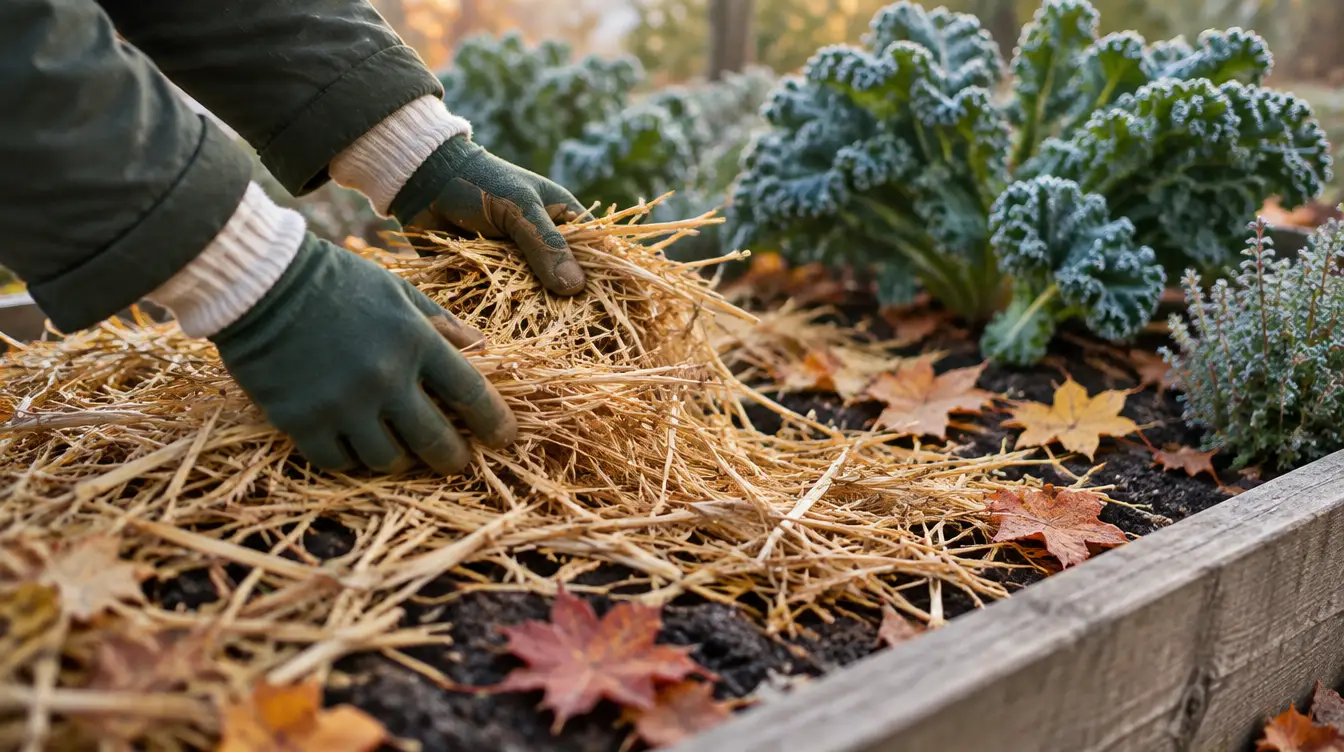
- Mulch, but late. Mulching perennials after the ground has chilled protects them from freeze-thaw heaving. Mulching early mostly houses voles.
- Water evergreens deeply until the ground freezes. Most winter "burn" is drought, not cold.
- Clean and sharpen tools before they disappear for five months.
What to leave alone
Fall cleanup got overzealous somewhere along the way. Leave seed heads standing for birds, leave hollow stems for overwintering native bees, and leave leaf litter in the beds where it isn't smothering a lawn. A garden cut back to bare soil in October is tidier and measurably less alive in May.
Leave spring-blooming shrubs unpruned too — lilac, forsythia, azalea. They set next year's flowers during summer, and an autumn haircut removes the entire display.
The part everyone skips
Write down what happened. Which varieties earned their space, what died and roughly when, where the water pooled, which bed was in shade by August that wasn't in May. Fall is the only moment you have both the full season in memory and the time to record it. By March it's gone, and next year's plan gets made on vibes.
If you'd like that to take two minutes instead of an evening: GardenBinder keeps the journal, the photos, and the care schedule in one place, phone-first, so an entry is a couple of taps in the garden rather than a chore at a desk. Entries link to the plant or bed they're about, so each plant quietly builds its own multi-year history — and next fall you'll be reading this one back.
Then go inside. The next thing on the calendar is a seed catalog and a warm room, which is the best part of the year anyway.
#fall #checklist #seasonal