Harvest & Kitchen
How to Track What You Harvest (Without Turning It Into a Chore)
Mea Cara · September 22, 2026 · 3 min read
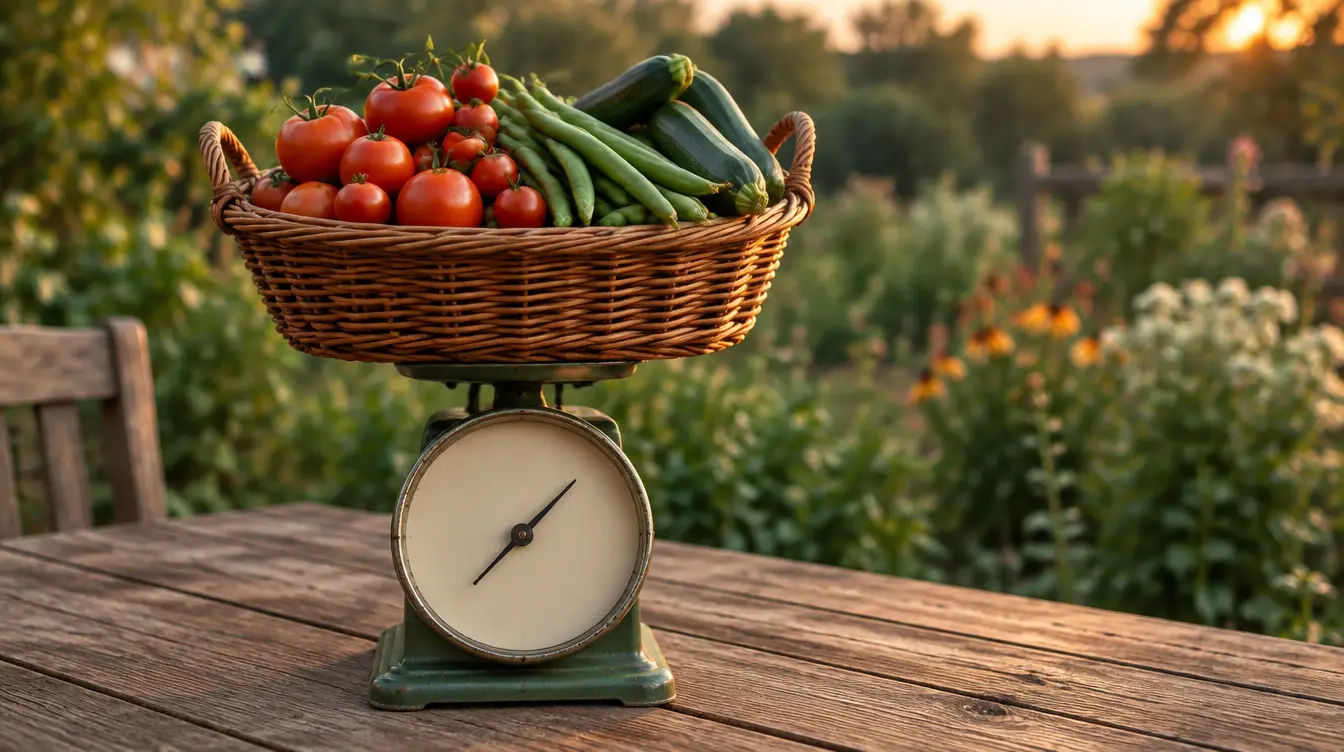
Harvest tracking is the most-recommended and least-completed garden habit there is. Everyone starts a tally in July. Almost nobody has one in September — because most harvest logs are designed like an inventory system for a business, and picking beans is not a business.
Here's the version that survives, and what it actually buys you.
Four questions worth answering
- Did that plant earn its space? Six square feet of a variety that gave you four tomatoes is a decision you'd make differently, if you remembered it.
- When does it actually come in? Your first-harvest dates, over a few years, beat every "days to maturity" number on every packet.
- How much do we actually eat? The gap between planted and consumed is where most zucchini-related regret lives.
- What did the garden produce, in total? Not for the economics — a garden rarely wins on economics — but because the number is genuinely surprising.
Keep the record light enough to survive August
The single rule: record at the moment of picking, or don't bother. Anything deferred to the evening is deferred permanently.
- Weigh or count — one, not both. Weight for tomatoes, squash, potatoes. Count for cucumbers, peppers, heads of lettuce. Pick per crop and stay consistent.
- Round aggressively. "About two pounds" is fine. You are looking for patterns, not an audit.
- A photo of the basket counts as an entry. Date, look, rough volume, zero effort. On a busy week it's the only thing that'll happen anyway.
- Record firsts and lasts even if you skip the middle. First and last harvest dates carry most of the planning value in two entries per crop.
- Note the flavor. "Bland" and "best tomato we've grown" are worth more next February than any yield figure.
A kitchen scale by the back door
Not a joke — it's the entire trick. The friction isn't the recording, it's the walk to wherever the scale lives. A cheap digital scale by the door where the produce comes in converts an intention into a two-second habit.
What to do with it in winter
Total the season by crop and sort it. The top of that list is what you plant more of; the bottom is a conversation about whether you like growing it enough to keep the bed. Compare your real first-harvest dates against the packet's estimate and adjust next year's sowing schedule accordingly — that's the loop closing, and it's the whole point.
Where the entries can live
A notepad by the door works. So does a spreadsheet, once a week. The failure mode of both is that the numbers stay separate from everything else you know about the plant — the photos, the variety, the bed it was in, when it went in the ground.
In GardenBinder, a harvest is just a journal entry that links to the plant it came from, captured in a couple of taps with a photo attached. Because it's linked, each plant accumulates its own history — sown here, transplanted then, first fruit this date, this much over the season — and seed-grown crops keep the thread all the way back to the packet. The journal also surfaces the good parts on its own: first-harvest milestones, anniversaries, a recap of the season in your own photos when it ends. It's one of several ways to do this; what matters is that the harvest and the plant end up in the same place.
Start now, mid-season, badly. Half a harvest record is still the first real data your garden has ever handed you.
#harvest #record keeping #vegetables